Industrial electrostatic tester is a precision instrument used to measure key electrostatic parameters such as static charge, static voltage, static decay time, resistance/resistivity, etc. Its application fields are extremely wide, and almost all industrial scenarios that are sensitive to static electricity or may pose risks due to static electricity require it.
The following are its main application areas:
1. Electronics and Microelectronics Manufacturing (Core Application Fields)
This is a field where electrostatic testers are widely used and have strict requirements.
Semiconductor/chip manufacturing: every step from wafer production, photolithography, etching to packaging and testing. Monitor the static electricity level of workbenches, personnel, equipment, and containers (such as wafer boxes) to prevent electrostatic discharge (ESD) from penetrating small circuit structures.
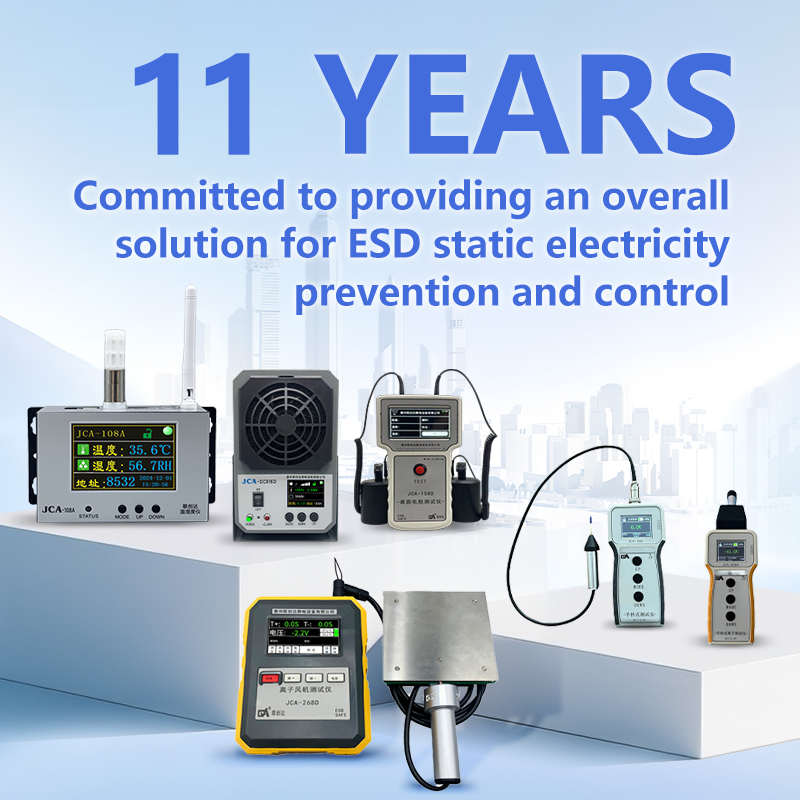
SMT (Surface Mount Technology) production line: detects the static electricity status of surface mount machines, feeders, PCB (printed circuit board) transmission tracks, workbenches, operators, and protects sensitive components such as ICs and MOSFETs.
Electronic component manufacturing: During the production of resistors, capacitors, inductors, connectors, displays (LCD/OLED), etc., prevent static electricity from adsorbing dust and causing defects or direct damage.
Hard disk drive (HDD) and precision electronic assembly: In ultra clean environments, static electricity can adsorb small particles, causing damage to the read/write head or product failure.
2. Control and evaluation of electrostatic discharge (ESD) protection
This is the fundamental work of electrostatic management, involving all related industries.
Establishment and certification of EPA (electrostatic protection zone): Measure and verify whether the grounding resistance and electrostatic dissipation performance of anti-static flooring, workbenches, shelves, seats, tools (soldering irons), etc. comply with standards (such as ANSI/ESD S20.20, IEC 61340-5-1).
Personal protective equipment (PPE) testing: Regularly test the effectiveness and resistance of anti-static wristbands, heel straps, anti-static clothing/shoes, gloves, etc., to ensure good grounding of personnel.
Evaluation of packaging and transportation materials: test the electrostatic shielding performance or dissipation performance of anti-static shielding bags, conductive foam, turnover boxes, etc., to ensure the safety of products in storage and transportation.
3. Chemical, petroleum and natural gas industries
Static electricity in such fields may cause catastrophic accidents such as fires and explosions.
Fuel and solvent treatment: Monitor the static charges generated by pipelines, containers, filters, personnel, etc. during the filling, transportation, filtration, and stirring of flammable liquids (such as gasoline and toluene) to prevent discharge ignition.
Powder and particle processing: Plastics, pharmaceuticals, grains, metal powders, etc. are prone to high static electricity during pneumatic conveying, dumping, and screening. Testers are used to assess risks and verify the effectiveness of release measures.
Workplace safety assessment: Measure the electrostatic potential of production workshops, tank areas, and loading and unloading platforms to ensure the normal operation of grounding and equipotential systems.
4. Printing, Packaging, and Plastic Industry
Film and paper processing: During high-speed printing, slitting, laminating, and packaging processes, material friction can generate a large amount of static electricity, leading to uneven winding, dust adsorption, blockage, electric shock to workers, and even fire hazards. The tester is used to locate the static power source and evaluate the effectiveness of the eliminator.
Plastic product processing: During injection molding, extrusion, molding and other processes, static electricity can cause the product to adsorb dust, affecting its appearance and quality, and causing paint film defects in subsequent spraying processes.
5. Textile and fiber industry
Chemical fiber production and weaving: Friction during spinning, stretching, and weaving of synthetic fibers can generate severe static electricity, leading to fiber entanglement, flying hair, and breakage, which affects production efficiency and product quality.
Dust free/anti-static clothing testing: specifically used to test the charge decay performance and surface resistance of cleanroom clothing and industrial anti-static clothing.
6. Aerospace and Automotive Manufacturing
Composite material processing: Carbon fiber and other composite materials are prone to static electricity during layering and cutting.
Fuel system assembly and maintenance: In the same chemical industry, prevent the risk of electrostatic ignition during fuel system maintenance.
Electronic system assembly: Strict ESD protection environment is required when installing aviation electronic equipment or automotive ECU (on-board computer).
7. Medical and pharmaceutical industries
Aseptic production and packaging: Static electricity can adsorb microorganisms and particles in the environment, contaminating drugs or medical devices. The static electricity level in the cleanroom needs to be monitored.
Operating room: Some anesthesia gases are flammable and need to be prevented from static sparks.
Powder drug production: Similar to chemical powders, there is a risk of explosion and cross contamination.
8. Research and Laboratory
New Materials Research: Study the electrostatic properties of functional films, nanomaterials, and polymer materials.
Research on Electrostatic Phenomena: Used for electrostatic experimental measurement in basic scientific research such as physics and chemistry.
The key parameters measured by the tester and their significance:
Static voltage (electrostatic potential): directly reflects the strength of an object's charge.
Surface resistance/resistivity: Evaluate whether a material is conductive, dissipative, or insulating, and determine whether it can be used for EPA.
Volume resistance: Evaluating the internal conductivity characteristics of materials.
Static decay time: Measuring the speed of charge dissipation is a core indicator for evaluating the performance of anti-static materials.
Charge quantity: directly measure the total amount of static charge carried by an object.
In summary, the core application logic of Industrial electrostatic testers revolves around two points: first, to prevent electrostatic discharge (ESD) from damaging sensitive electronic components; The second is to prevent safety production accidents (fires, explosions) caused by static electricity. It is an indispensable scientific tool for monitoring, evaluating, controlling, and certifying electrostatic protection systems in modern industry, especially in high-tech manufacturing and hazardous materials industries.


 English
 Español
 Portugues
 Pусский
 Français
 日本語
日本語 한국어
한국어 العربية
 Italiano
 Nederlands
 Polski
 ไทย
ไทย Türk dili
 हिन्दी
 Indonesia
 Melayu
 Tiếng Việt
 বাংলা
বাংলা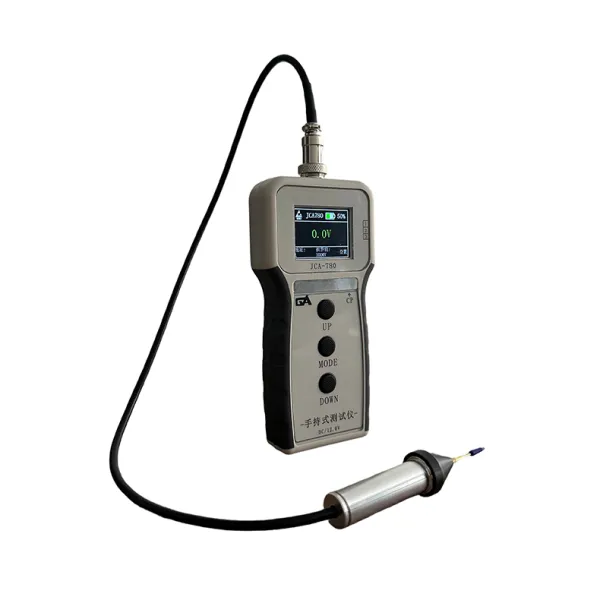 Tragbarer kompakter isolierter Leitertester – Präzises statisches Spannungsmessgerät mit Touchscreen-Bedienung
 Berührungsgesteuerter tragbarer ESD-Tester – Präzises Instrument zur statischen Erkennung
 Antistatische Hochfrequenz-Smart-Lötstation – bleifreier Lötkolben in Industriequalität für elektronische Reparaturen
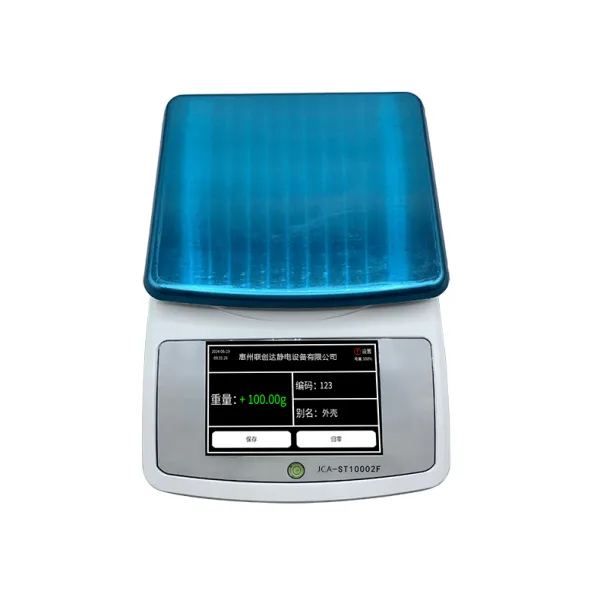 Leichte Präzisions-Industriewaage – tragbares hochpräzises Wiegen, QR-Code-Datenaufzeichnung
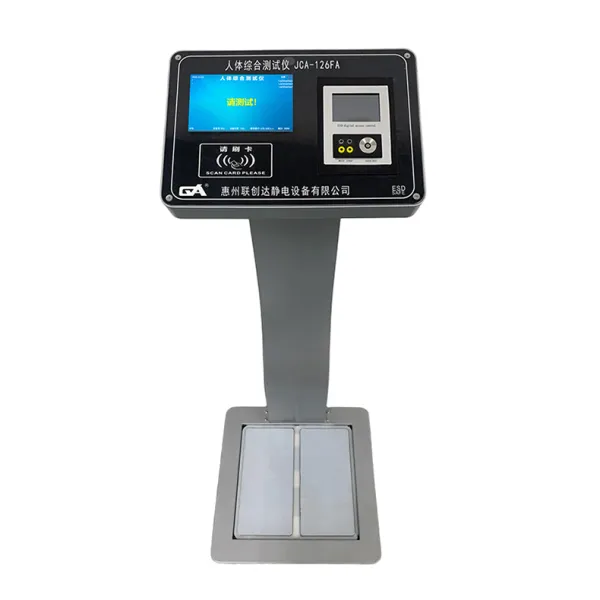 Pro ESD-Umfassender Tester für den menschlichen Körper – Antistatisches Zugangstor mit biometrischer Erkennung und Kartenerkennung
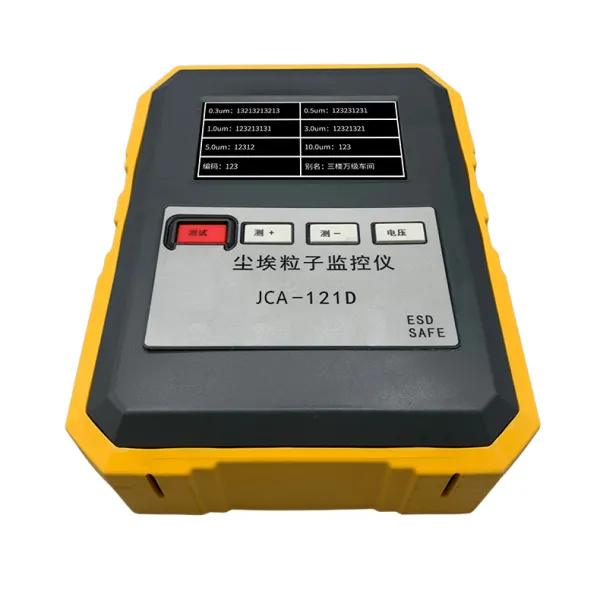 Lianchuangda Tragbarer Partikelzähler – Reinraumspezifischer Luftreinheitstester
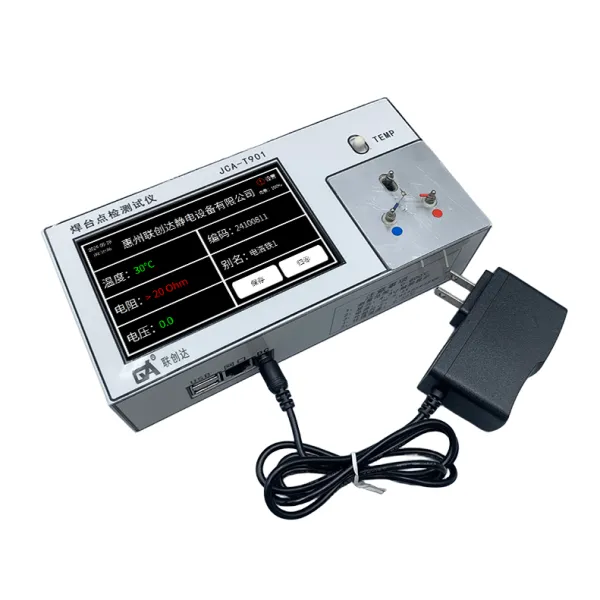 Lianchuangda Umweltdrucktester, kabellose Digitalanzeige und Erdungsüberwachung
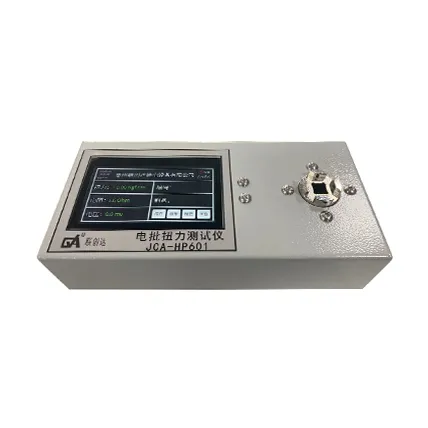 Digitaler Drehmomentprüfer für Elektroschrauber – Präzise Messung, intelligente Datenspeicherung
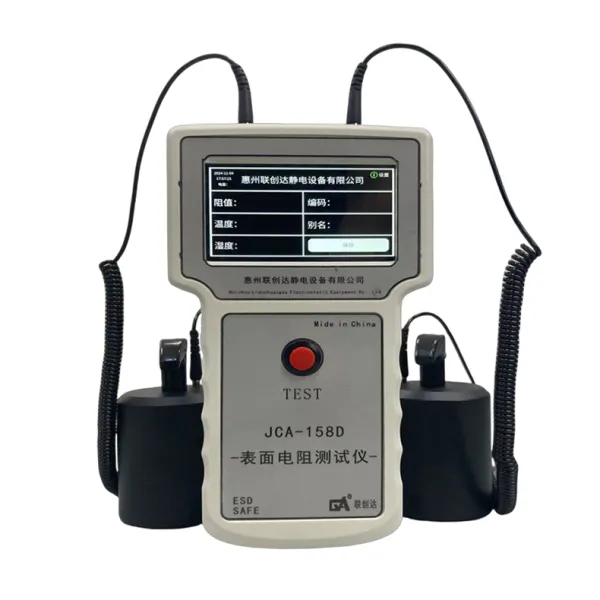 Tragbarer Hammer-Oberflächenwiderstandstester – Intelligentes industrielles Megaohmmeter mit Datenvernetzung
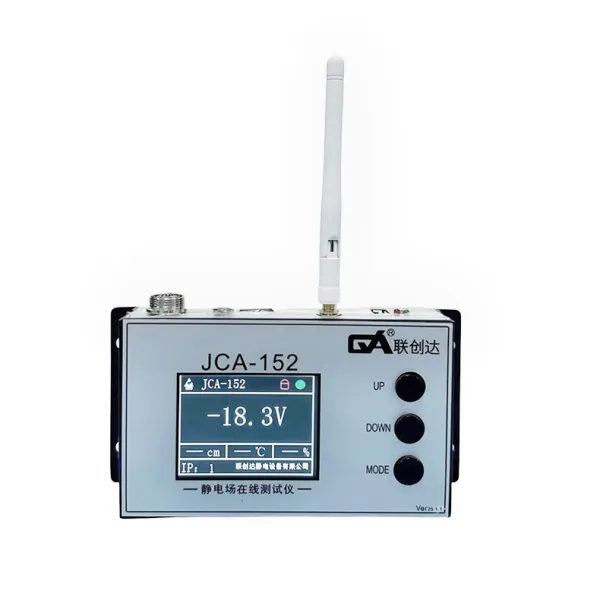 Kabelloser ESD-Feldtester – Echtzeit-Spannungsüberwachung, einfache Installation und visuelle Bedienung
 Kabelloser Farbbildschirm-Ionenlüfter-Statiktester mit Spannungsmessung und Datenübertragung
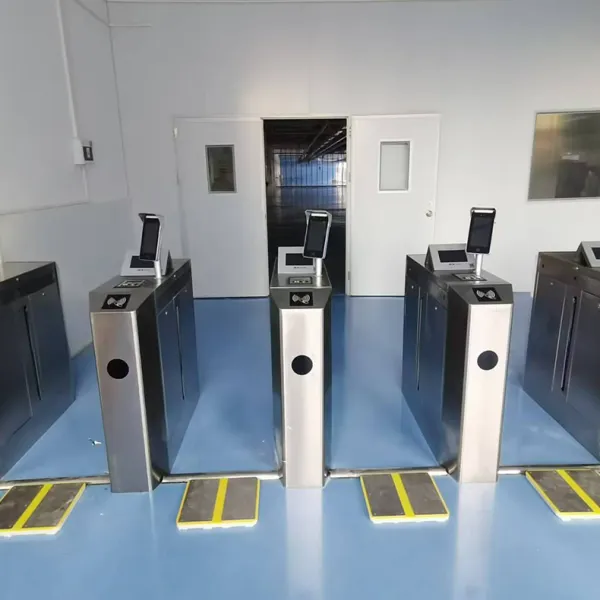 Lianchuangda Test Antistatisches Zugangskontrolldrehkreuz JCA-S106 unterstützt MySQL-Datenbank
 Hängender 3-Kopf-Gleichstrom-Ionen-Ventilator – intelligenter, leiser statischer Entladungsventilator, anpassbar
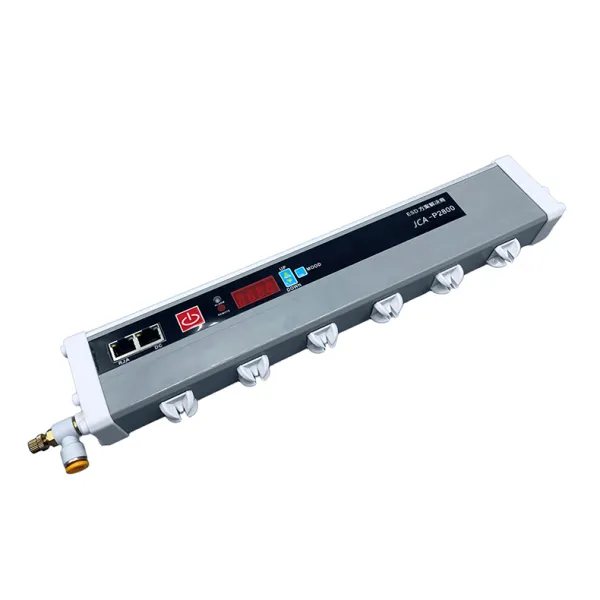 Impulstyp-ESD-Ionen-Luftstab – Industriespezifischer Entladungsentferner zur ESD-Entfernung
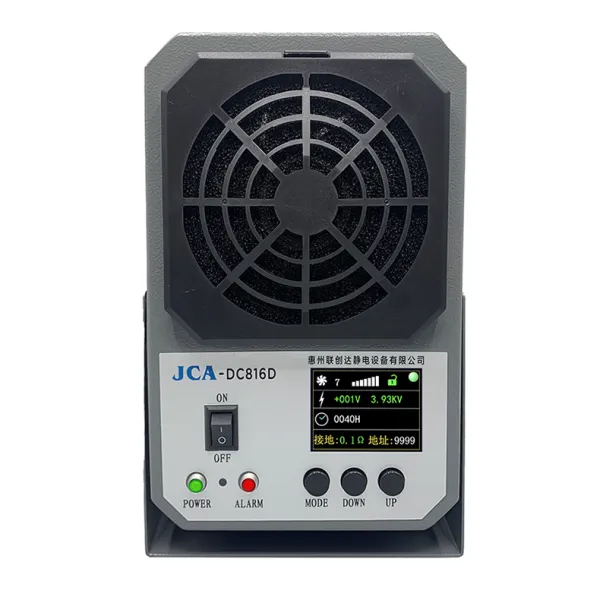 Lianchuangda Smart DC Ion Fan – Statische Eliminierung in Industriequalität für Werkshallen
 Desktop-Gleichstrom-Einkopf-Ionenventilator – professioneller Entladungsventilator mit drahtloser Netzwerkkonnektivität
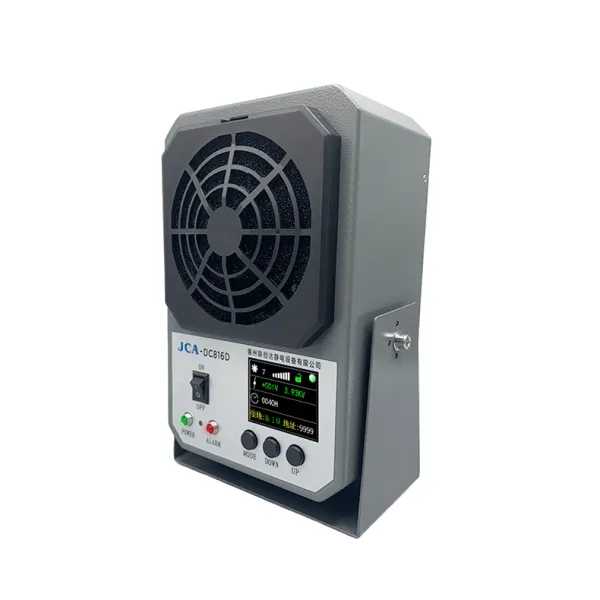 Intelligente DC-Ionen-Lüfter-Hersteller-Werkstatt Elektronische antistatische Ausrüstung zur statischen Beseitigung in Industriequalität
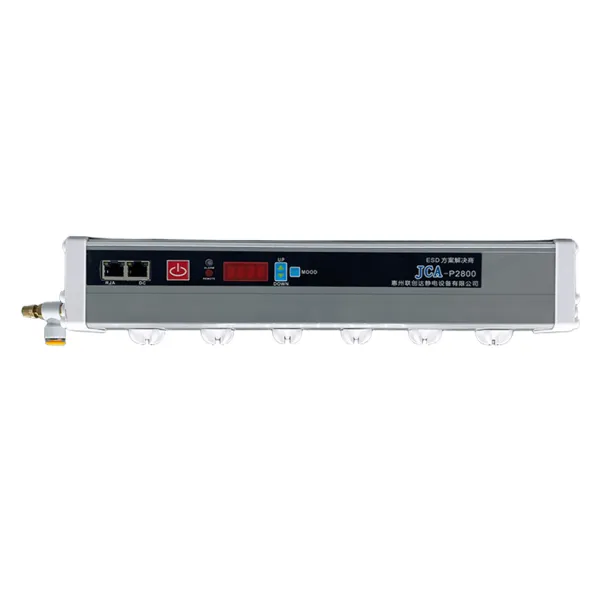 Industrielle statische Eliminierung. Impulstyp-Antistatik-Ionen-Luftstab-Statikeliminator
 Der 2,2-Zoll-Farbbildschirm mit drei Luftauslässen und der statische Schutz des Ionenlüfters eliminieren statische Elektrizität
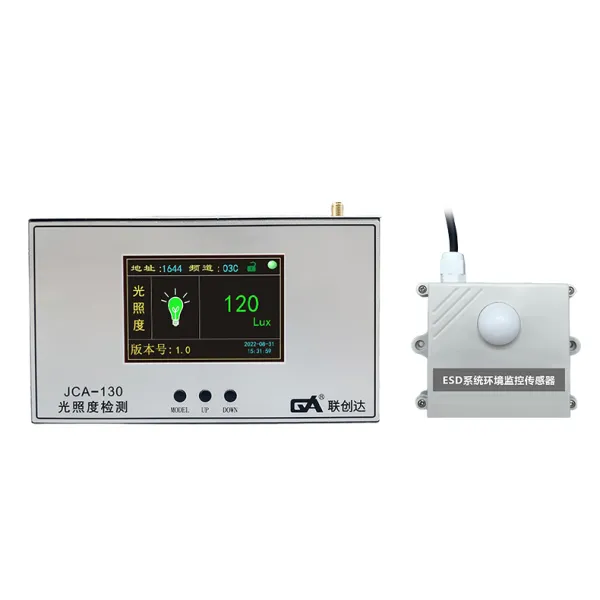 Drahtloses digitales Lux-Messgerät mit 3,5-Zoll-Farb-LCD – Hochpräziser Umgebungsdetektor mit Netzwerkkonnektivität
 Intelligentes, kabelloses Lärmerkennungs-Alarmsystem – Digitaler Tester für Umgebungsüberwachung mit Vernetzung
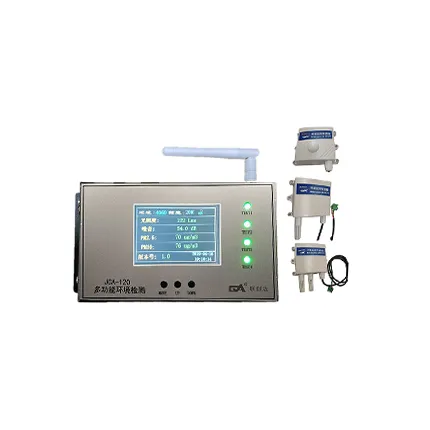 3,5-Zoll-Farb-LCD-Wireless-Multifunktions-Umweltdetektor – Staubpartikeltester mit WiFi-Konnektivität
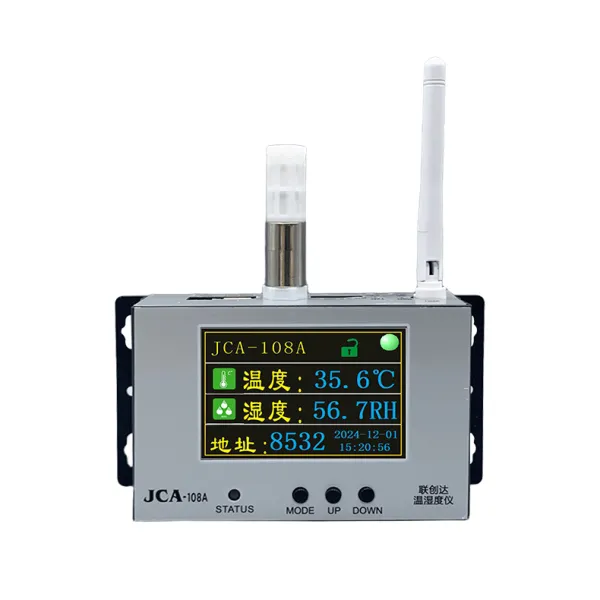 Kabelloser Temperatur- und Luftfeuchtigkeitsmonitor – Smart Recorder mit Fernabfrage und Datenübertragung
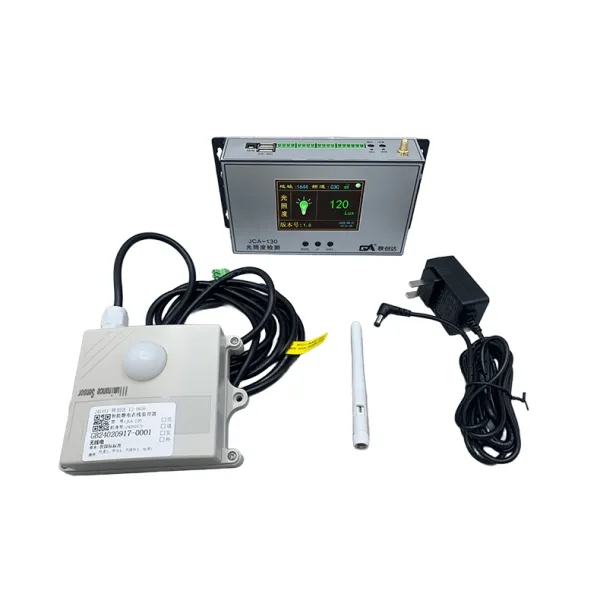 Lianchuangda Drahtloser Digitalanzeige-Beleuchtungsstärketester – Hochpräziser Umwelttester mit 3,5-Zoll-LCD-Farbbildschirm und dynamischer Anzeige



 WhatsApp
 Telefon
Kommentar
(0)