What Does Ionized Air Do to Your Body?
Industry Background and Market Demand
The global air purification industry has seen significant growth due to increasing concerns over indoor air quality (IAQ) and respiratory health. Among emerging technologies, air ionization has gained traction for its ability to neutralize airborne pollutants without relying solely on mechanical filtration.
Market demand is driven by healthcare facilities, commercial buildings, and industrial environments where microbial contamination and particulate matter pose health risks. According to industry reports, the air ionizer market is projected to expand at a CAGR of 8.2% from 2023 to 2030, fueled by stricter IAQ regulations and heightened awareness of airborne pathogens.
Core Concept: How Air Ionization Works
Air ionization involves generating charged molecules (ions) that interact with airborne particles, altering their physical and chemical properties. Two primary types exist:
1. Negative Ionization – Releases negatively charged ions (e.g., O₂⁻, CO₃⁻) that attach to dust, mold spores, and allergens, causing them to clump together and settle out of the air.
2. Positive Ionization – Produces reactive oxygen species (ROS) like O₃ and OH⁻, which oxidize volatile organic compounds (VOCs) and pathogens.
Unlike HEPA filters, ionizers do not trap particles but instead modify their behavior, reducing their suspension in breathable air.
Technical Performance and Key Components
1. Ion Generation Methods
- Corona Discharge: High-voltage electrodes create ions via electrical discharge. Common in industrial systems.
- Needlepoint Ionization: Precision emitters generate ions with minimal ozone byproduct. Used in medical settings.
- Photocatalytic Ionization: UV light activates a catalyst (e.g., TiO₂), producing ions and oxidizing pollutants.
2. Material and Manufacturing Considerations
- Electrodes are typically made from tungsten or stainless steel for durability.
- Ozone output must comply with safety thresholds (<0.05 ppm per EPA standards).
- Modular designs allow integration with HVAC systems for large-scale applications.
Critical Factors Affecting Performance
1. Ion Density: Measured in ions/cm³, higher densities improve pollutant removal but may increase ozone risks.
2. Airflow Rate: Systems must balance ion distribution with ventilation efficiency.
3. Humidity: Excess moisture can reduce ion mobility, diminishing effectiveness.
4. Maintenance: Electrode degradation over time requires periodic cleaning or replacement.
Supplier Selection and Supply Chain Criteria
For B2B procurement, key evaluation factors include:
- Certifications: UL 2998 (zero ozone verification), CE, and ISO 13485 for medical-grade devices.
- Scalability: Suppliers should offer customizable solutions for industrial vs. residential use.
- Technical Support: Providers with field testing and IAQ monitoring services add value.
Leading manufacturers source components from specialized electronics firms, ensuring consistent ion output and compliance with international safety standards.
Common Challenges and Industry Pain Points
1. Ozone Emissions: Poorly regulated ionizers may exceed safe limits, causing respiratory irritation.
2. Particle Resuspension: Settled pollutants can be disturbed by foot traffic or airflow.
3. Mixed Efficacy Data: Studies on health benefits vary, with some showing reduced allergens and others minimal impact on asthma symptoms.
4. Energy Consumption: High-voltage systems require optimization to avoid excessive power use.
Applications and Case Studies
1. Healthcare Settings
Hospitals in Germany have adopted needlepoint ionization to reduce surgical site infections, reporting a 40% drop in airborne bacteria.
2. Industrial Ventilation
A U.S. automotive plant integrated corona discharge units into its HVAC system, cutting VOC levels by 60% and improving worker productivity.
3. Commercial Buildings
Singapore’s green building standards now recommend hybrid systems (HEPA + ionization) to meet PM2.5 targets.
Current Trends and Future Outlook
1. Smart Ionizers: IoT-enabled devices with real-time air quality feedback are gaining popularity.
2. Bipolar Ionization: Systems emitting both positive and negative ions show promise in neutralizing viruses like SARS-CoV-2.
3. Sustainable Materials: Research focuses on graphene-based electrodes for longer lifespans and lower energy use.
Regulatory bodies are expected to tighten ozone emission rules, pushing innovation toward safer, more efficient designs.
FAQ Section
Q: Does ionized air help with allergies?
A: Yes, negative ions can reduce airborne allergens like pollen and pet dander, but results depend on ion density and room size.
Q: Is ozone from ionizers harmful?
A: In high concentrations (>0.1 ppm), ozone can irritate lungs. Look for UL 2998-certified devices.
Q: How often should ionizer electrodes be replaced?
A: Typically every 12–24 months, but varies with usage and environmental conditions.
Q: Can ionizers replace HEPA filters?
A: They complement rather than replace filters, as ionizers do not capture particles mechanically.
Conclusion
Ionized air technology offers a viable solution for improving indoor air quality, particularly in environments where traditional filtration falls short. While challenges like ozone emissions persist, advancements in electrode design and smart monitoring are driving adoption across healthcare, industrial, and commercial sectors. Future developments will likely focus on enhancing energy efficiency and integrating AI-driven air quality management.
By understanding the mechanisms, performance factors, and real-world applications, businesses can make informed decisions when implementing ionization systems for healthier indoor environments.


 English
 Español
 Portugues
 Pусский
 Français
 日本語
日本語 한국어
한국어 العربية
 Italiano
 Nederlands
 Polski
 ไทย
ไทย Türk dili
 हिन्दी
 Indonesia
 Melayu
 Tiếng Việt
 বাংলা
বাংলা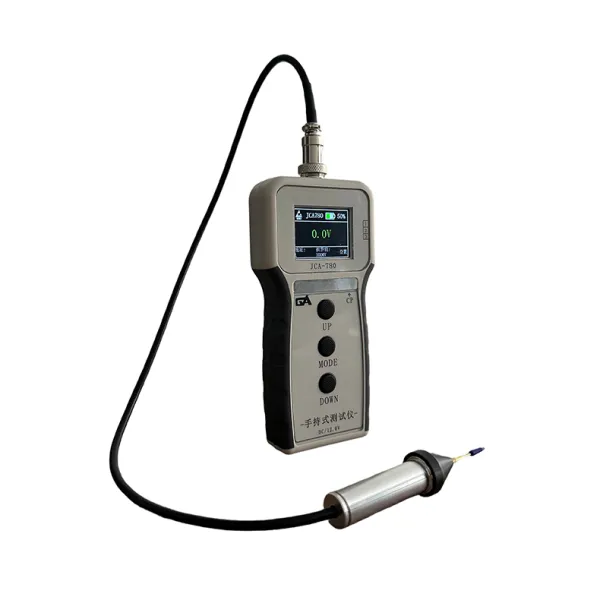 Tragbarer kompakter isolierter Leitertester – Präzises statisches Spannungsmessgerät mit Touchscreen-Bedienung
 Berührungsgesteuerter tragbarer ESD-Tester – Präzises Instrument zur statischen Erkennung
 Antistatische Hochfrequenz-Smart-Lötstation – bleifreier Lötkolben in Industriequalität für elektronische Reparaturen
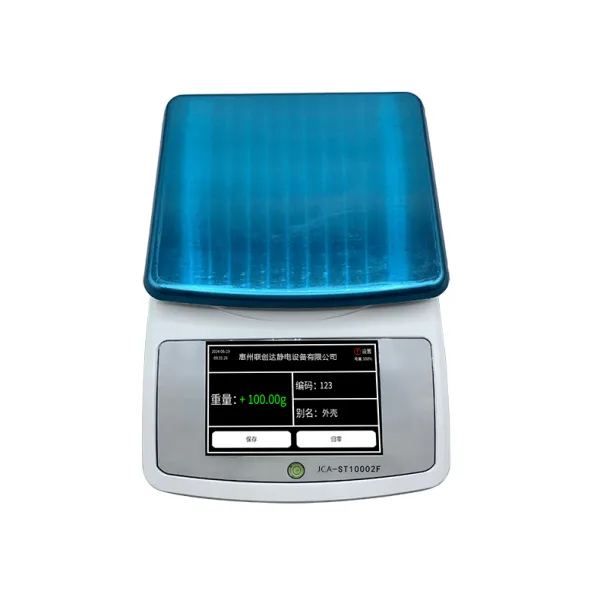 Leichte Präzisions-Industriewaage – tragbares hochpräzises Wiegen, QR-Code-Datenaufzeichnung
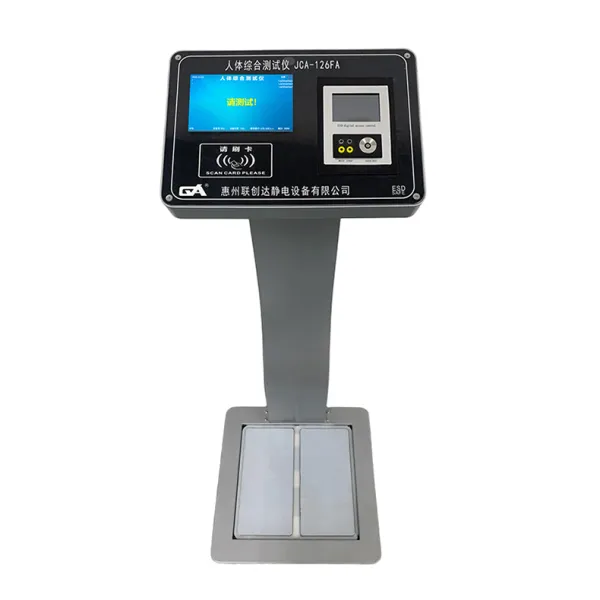 Pro ESD-Umfassender Tester für den menschlichen Körper – Antistatisches Zugangstor mit biometrischer Erkennung und Kartenerkennung
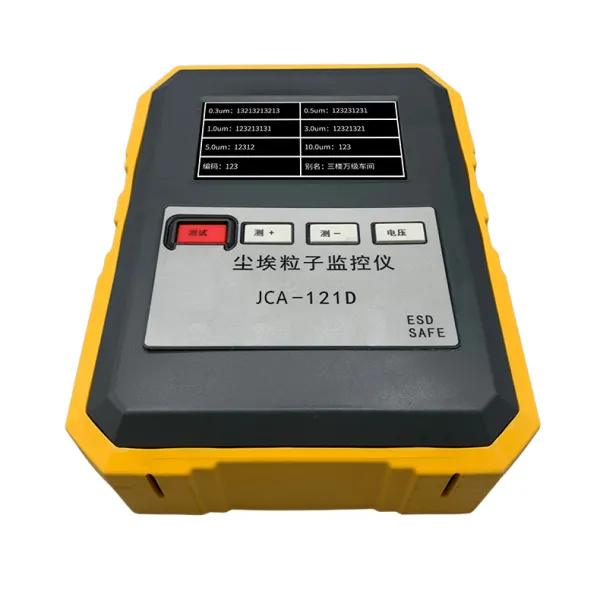 Lianchuangda Tragbarer Partikelzähler – Reinraumspezifischer Luftreinheitstester
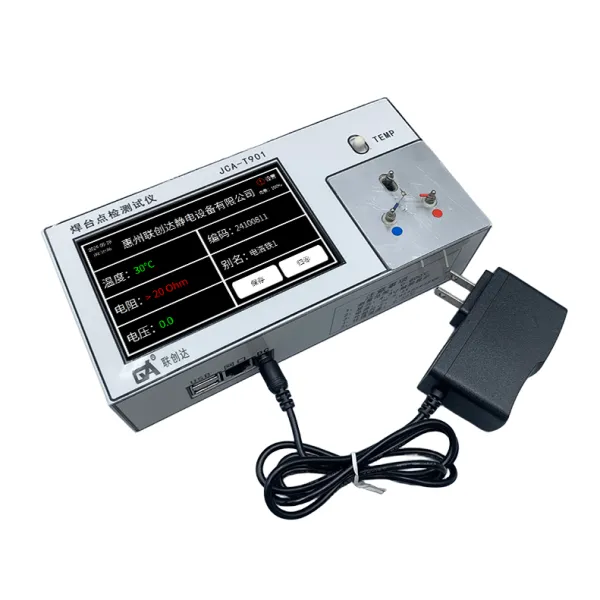 Lianchuangda Umweltdrucktester, kabellose Digitalanzeige und Erdungsüberwachung
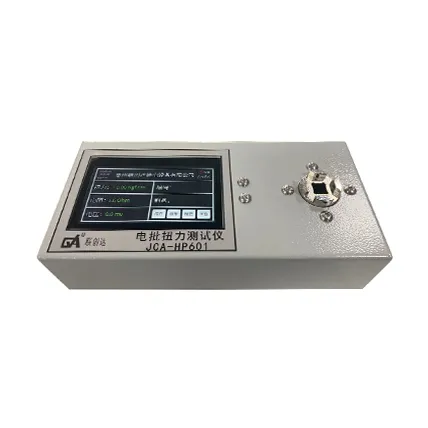 Digitaler Drehmomentprüfer für Elektroschrauber – Präzise Messung, intelligente Datenspeicherung
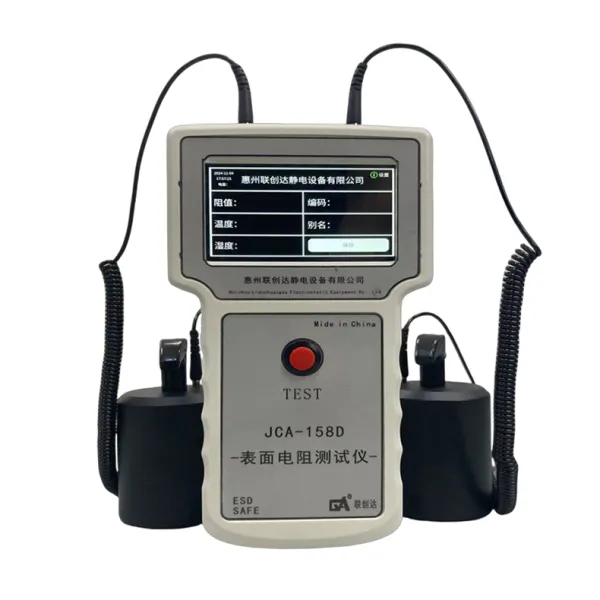 Tragbarer Hammer-Oberflächenwiderstandstester – Intelligentes industrielles Megaohmmeter mit Datenvernetzung
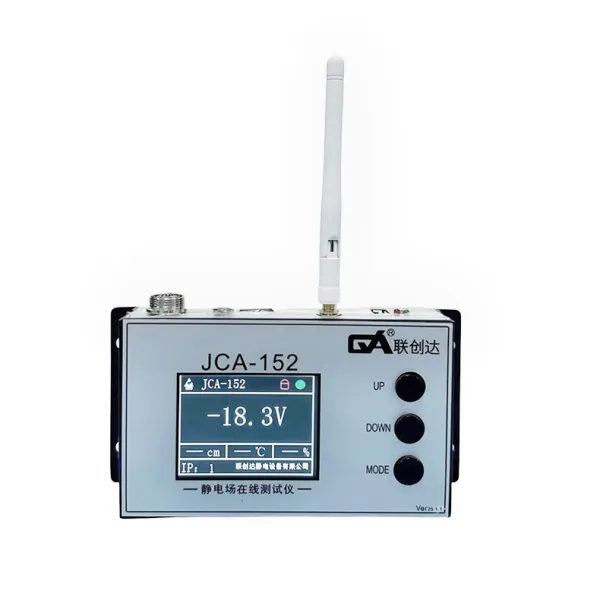 Kabelloser ESD-Feldtester – Echtzeit-Spannungsüberwachung, einfache Installation und visuelle Bedienung
 Kabelloser Farbbildschirm-Ionenlüfter-Statiktester mit Spannungsmessung und Datenübertragung
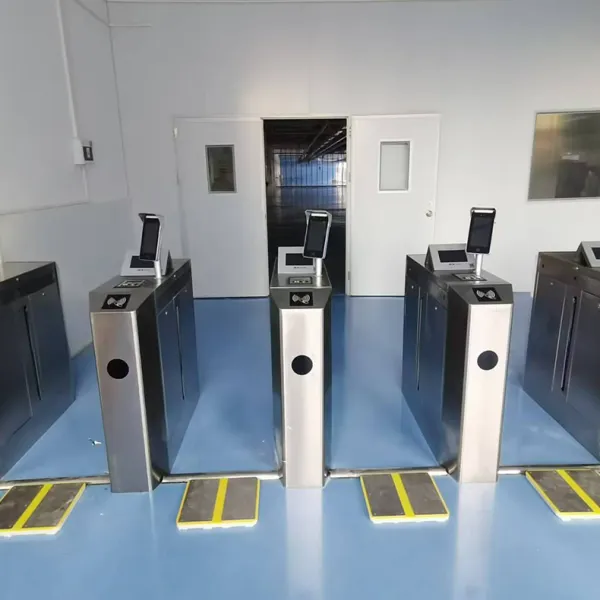 Lianchuangda Test Antistatisches Zugangskontrolldrehkreuz JCA-S106 unterstützt MySQL-Datenbank
 Hängender 3-Kopf-Gleichstrom-Ionen-Ventilator – intelligenter, leiser statischer Entladungsventilator, anpassbar
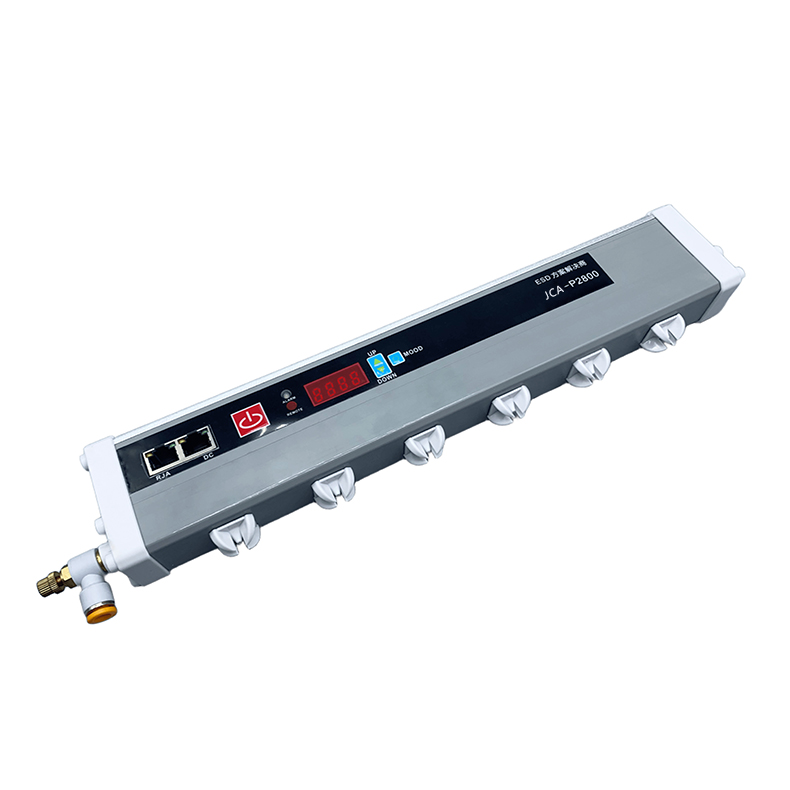
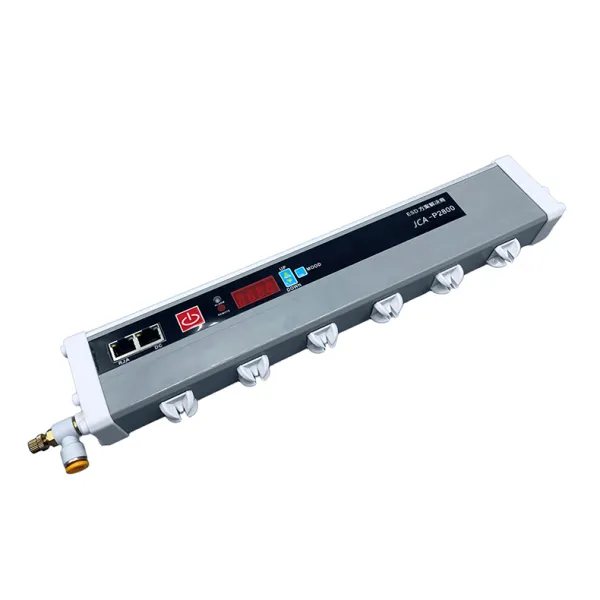 Impulstyp-ESD-Ionen-Luftstab – Industriespezifischer Entladungsentferner zur ESD-Entfernung
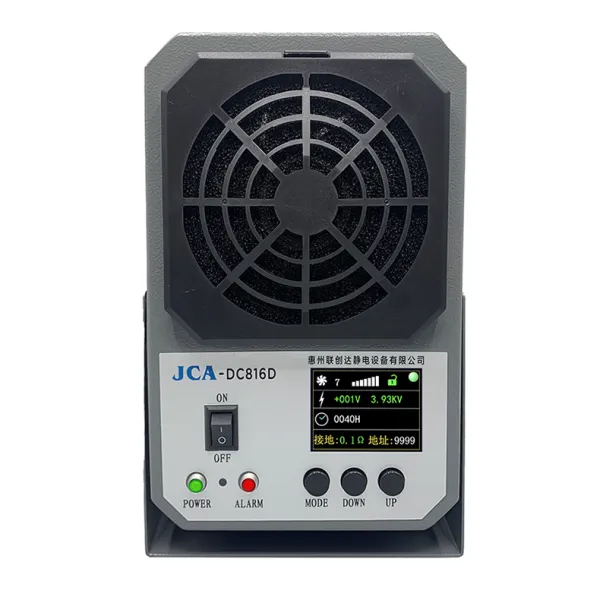 Lianchuangda Smart DC Ion Fan – Statische Eliminierung in Industriequalität für Werkshallen
 Desktop-Gleichstrom-Einkopf-Ionenventilator – professioneller Entladungsventilator mit drahtloser Netzwerkkonnektivität
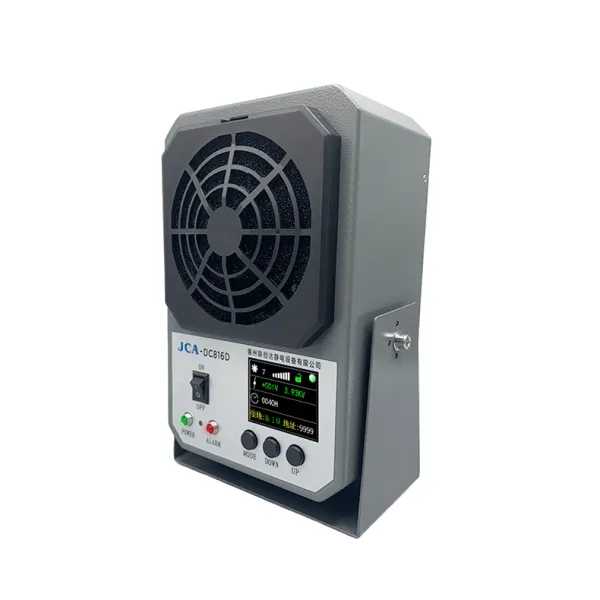 Intelligente DC-Ionen-Lüfter-Hersteller-Werkstatt Elektronische antistatische Ausrüstung zur statischen Beseitigung in Industriequalität
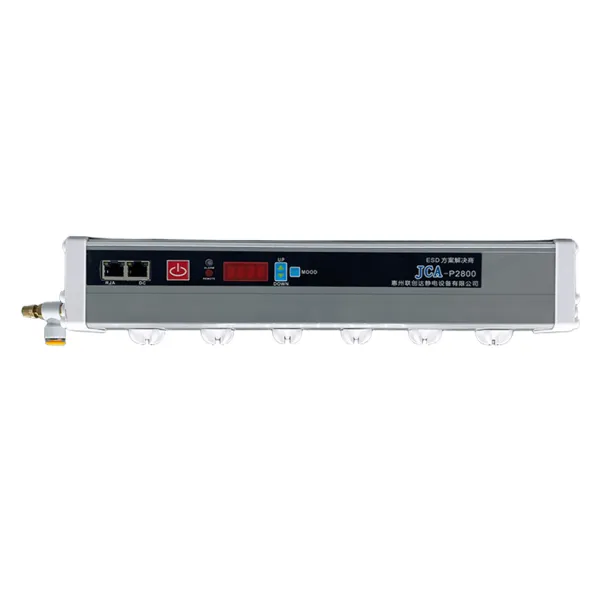 Industrielle statische Eliminierung. Impulstyp-Antistatik-Ionen-Luftstab-Statikeliminator
 Der 2,2-Zoll-Farbbildschirm mit drei Luftauslässen und der statische Schutz des Ionenlüfters eliminieren statische Elektrizität
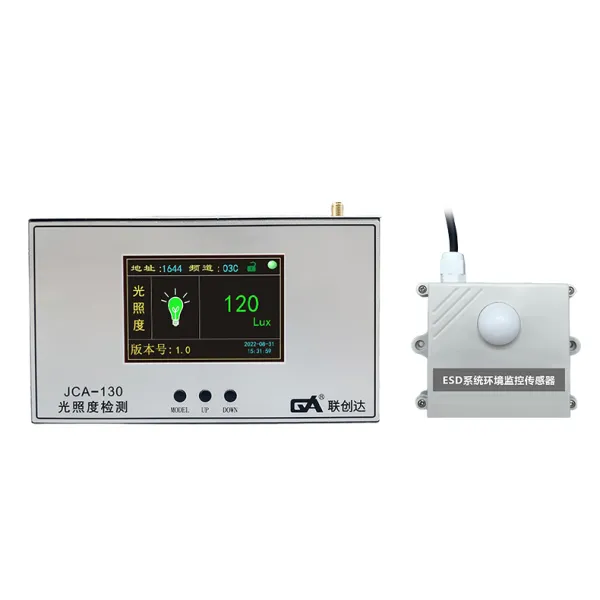 Drahtloses digitales Lux-Messgerät mit 3,5-Zoll-Farb-LCD – Hochpräziser Umgebungsdetektor mit Netzwerkkonnektivität
 Intelligentes, kabelloses Lärmerkennungs-Alarmsystem – Digitaler Tester für Umgebungsüberwachung mit Vernetzung
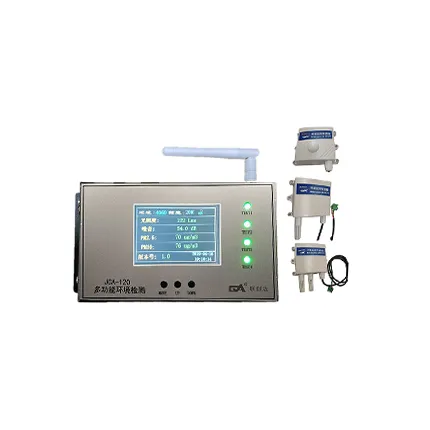 3,5-Zoll-Farb-LCD-Wireless-Multifunktions-Umweltdetektor – Staubpartikeltester mit WiFi-Konnektivität
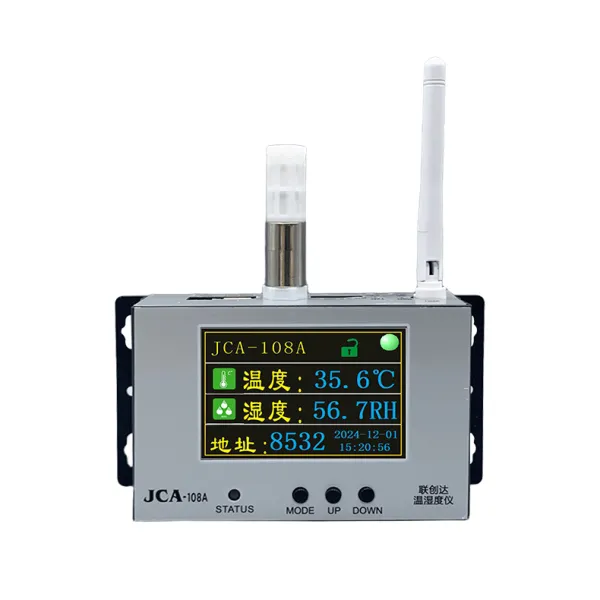 Kabelloser Temperatur- und Luftfeuchtigkeitsmonitor – Smart Recorder mit Fernabfrage und Datenübertragung
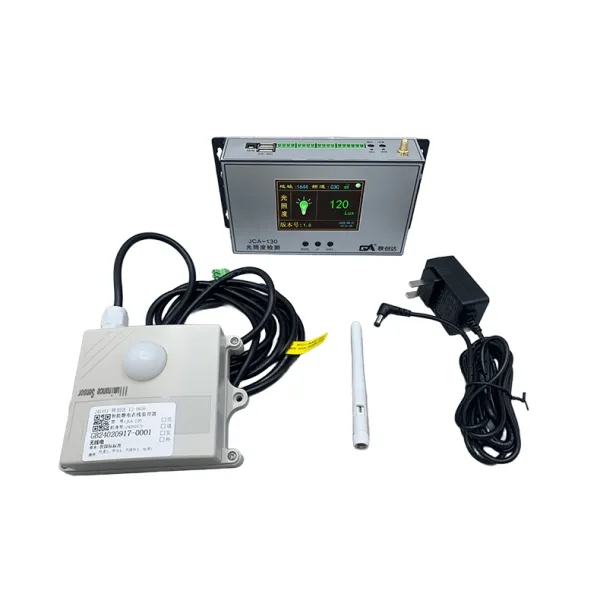 Lianchuangda Drahtloser Digitalanzeige-Beleuchtungsstärketester – Hochpräziser Umwelttester mit 3,5-Zoll-LCD-Farbbildschirm und dynamischer Anzeige





 WhatsApp
 Telefon
Kommentar
(0)