


 English
 Español
 Portugues
 Pусский
 Français
 日本語
日本語 한국어
한국어 العربية
 Italiano
 Nederlands
 Polski
 ไทย
ไทย Türk dili
 हिन्दी
 Indonesia
 Melayu
 Tiếng Việt
 বাংলা
বাংলা


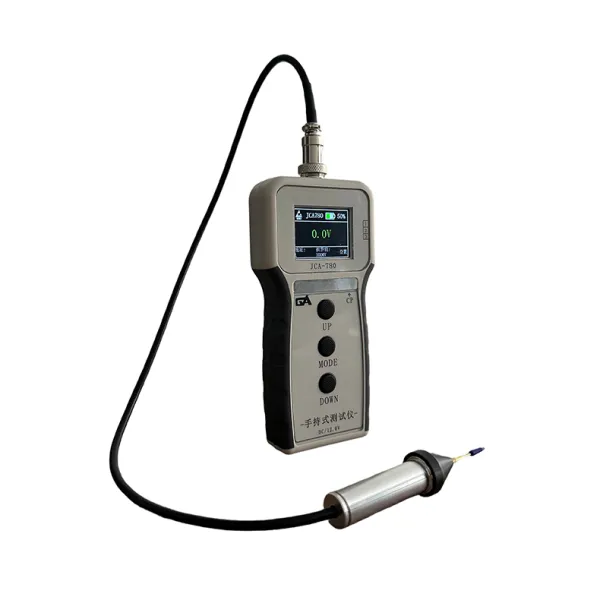



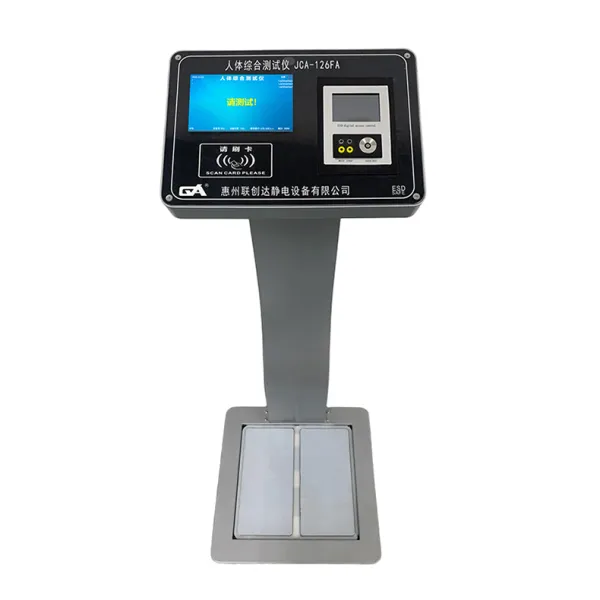
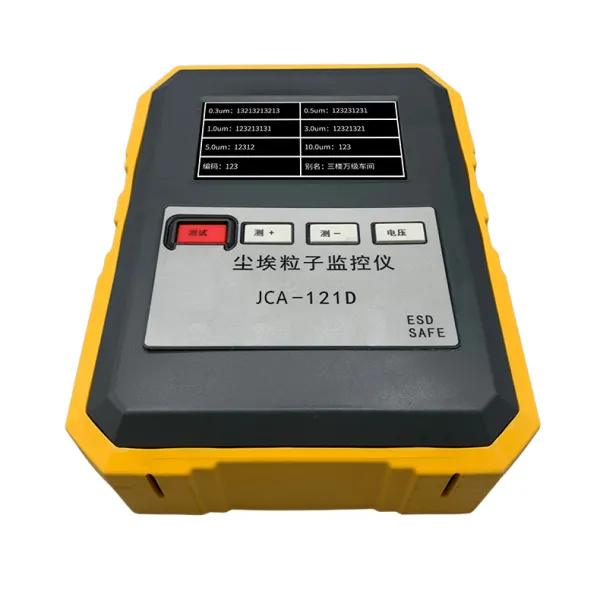
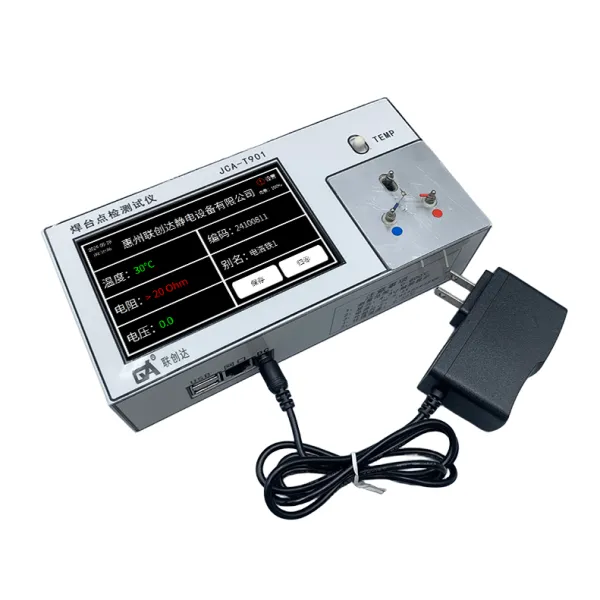
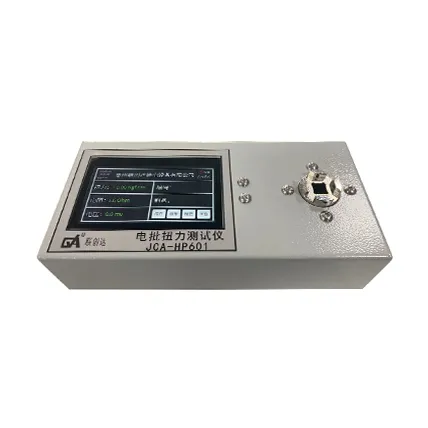
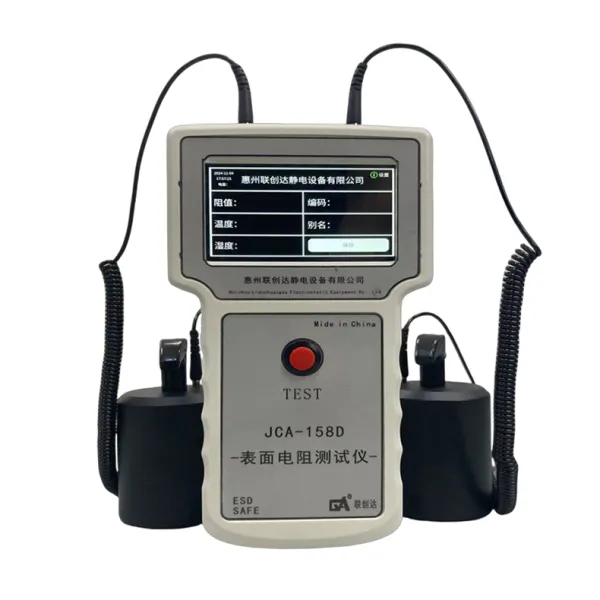
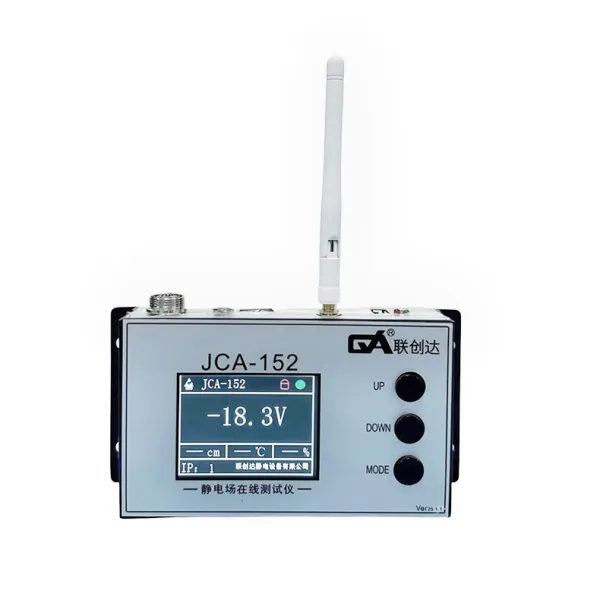

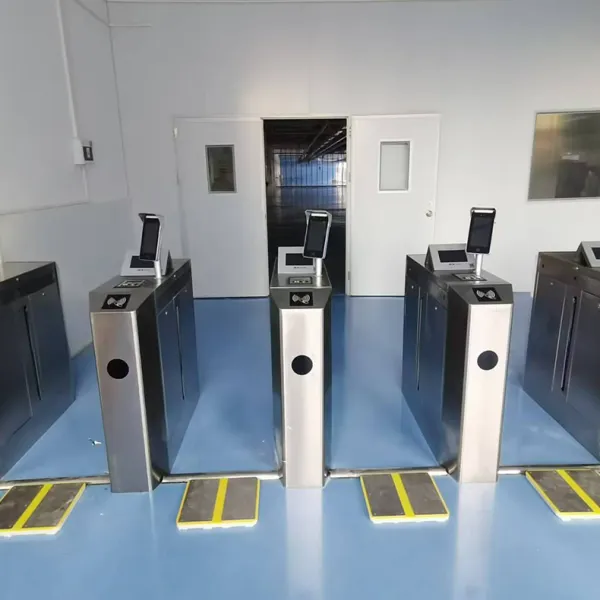



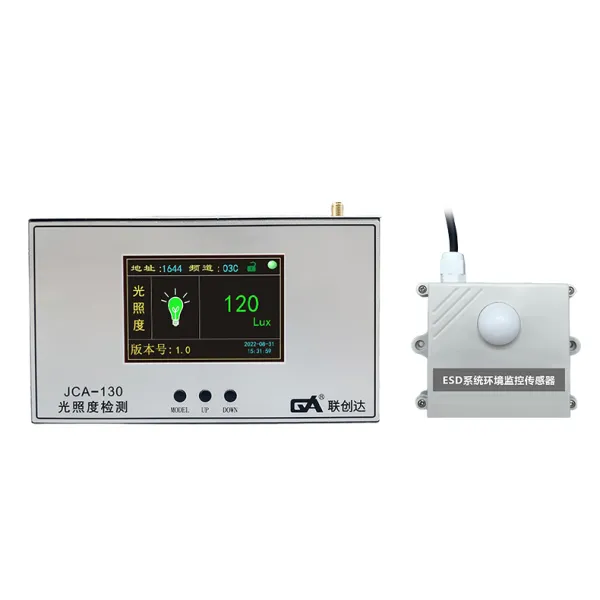

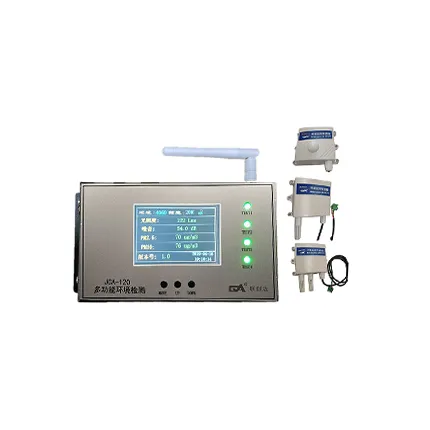
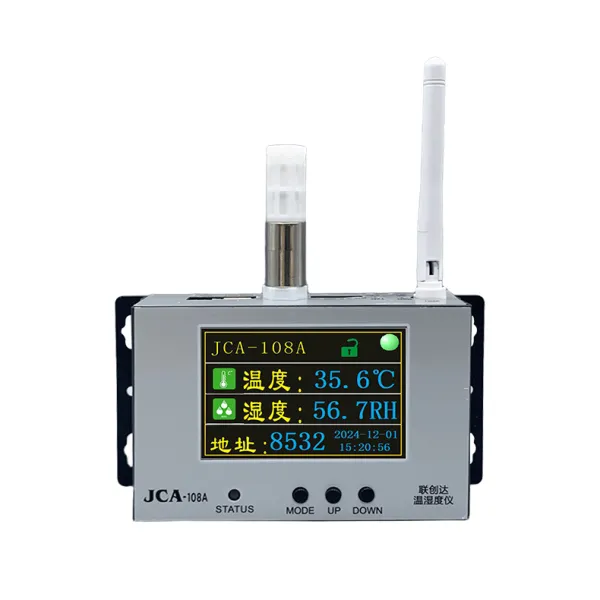
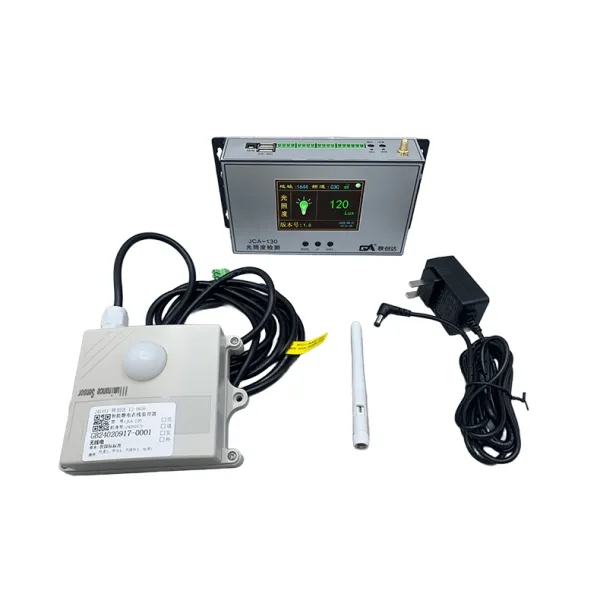


ESD detection
Electrostatic Discharge (ESD) Detection: Overview and Importance Electrostatic discharge (ESD) is a sudden flow of electricity between two electrically charged objects, often caused by contact, electrical shorting, or dielectric breakdown. ESD events can damage sensitive electronic components, leading to failures in integrated circuits (ICs), printed circuit boards (PCBs), and other semiconductor devices. To mitigate these risks, ESD detection systems are essential in manufacturing, testing, and handling environments. How ESD Detection Works ESD detection involves monitoring and identifying electrostatic discharge events in real time. Key methods include: 1. Voltage and Current Measurement – Sensors measure transient voltage spikes or current surges caused by ESD. High-speed oscilloscopes or specialized ESD detectors capture these events, which often last nanoseconds. 2. Field Sensing – Electrostatic field meters detect changes in electric fields, helping identify potential ESD risks before discharge occurs. 3. RF Emission Detection – ESD generates radio frequency (RF) noise. Antennas or near-field probes can pick up these emissions, allowing localization of discharge sources. 4. Environmental Monitoring – Humidity and temperature sensors help assess conditions that influence ESD risks (low humidity increases static buildup). Applications of ESD Detection - Manufacturing & Assembly – Protects sensitive electronics during production by identifying ESD-prone areas. - Quality Control – Ensures devices are not exposed to harmful discharges before shipment. - Laboratories & Cleanrooms – Monitors static-sensitive environments where even minor discharges can damage components. - Troubleshooting – Helps engineers pinpoint ESD-related failures in electronic systems. Challenges and Solutions - False Positives – Electrical noise can mimic ESD; advanced filtering improves accuracy. - High-Speed Detection – Nanosecond-scale events require fast-response sensors. - Integration with ESD Protection – Detection systems often work alongside grounding straps, ionizers, and shielding to prevent damage. Conclusion ESD detection is critical for safeguarding electronics from costly failures. By combining real-time monitoring with preventive measures, industries can minimize ESD risks, ensuring reliability in high-tech applications. Continuous advancements in sensor technology and data analysis further enhance detection accuracy, making ESD management more effective.
Produkt
Kategorie:
Keine Suchergebnisse!
Nachrichten
Kategorie:
Industry news
-
[Industry news]How to Use an Electrostatic Field Tester to Improve Product...
2025-11-12 16:28:05
Fall
Kategorie:
Keine Suchergebnisse!
Video
Kategorie:
Keine Suchergebnisse!
Herunterladen
Kategorie:
Keine Suchergebnisse!
Rekrutierung
Kategorie:
Keine Suchergebnisse!
Empfohlene Produkte
Keine Suchergebnisse!



 WhatsApp
 Telefon