


 English
 Español
 Portugues
 Pусский
 Français
 日本語
日本語 한국어
한국어 العربية
 Italiano
 Nederlands
 Polski
 ไทย
ไทย Türk dili
 हिन्दी
 Indonesia
 Melayu
 Tiếng Việt
 বাংলা
বাংলা







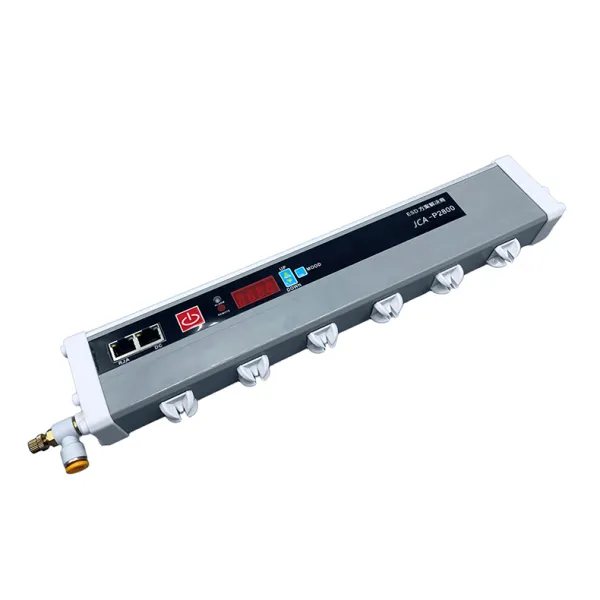
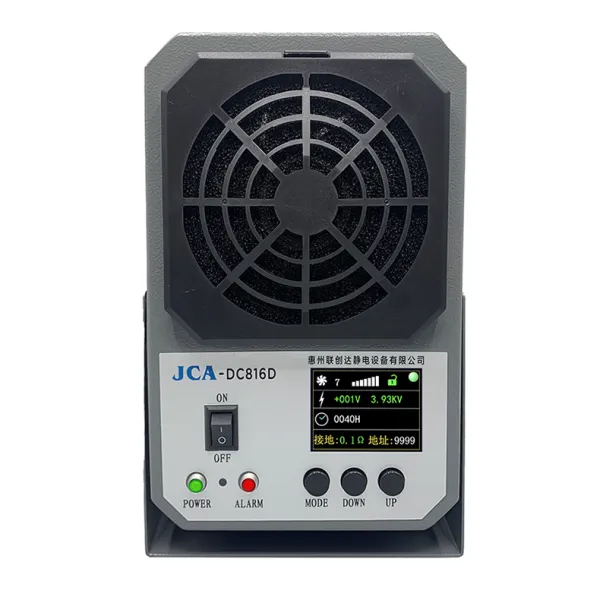

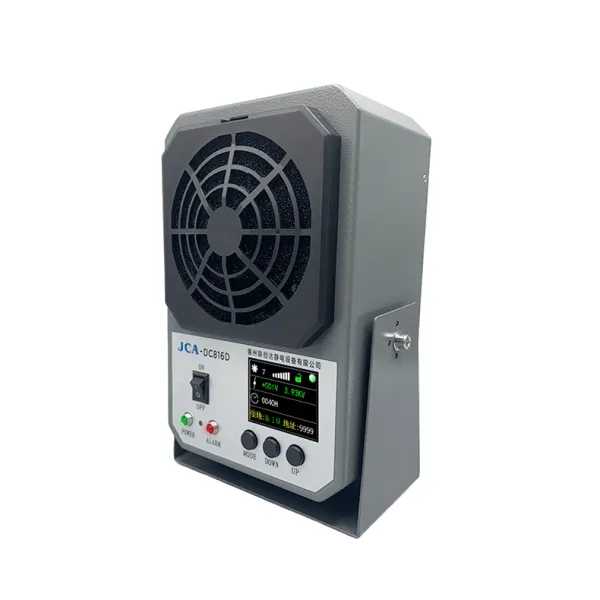
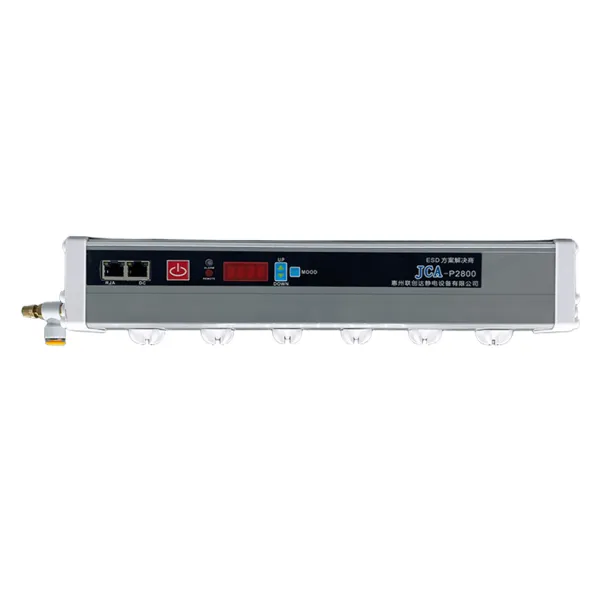

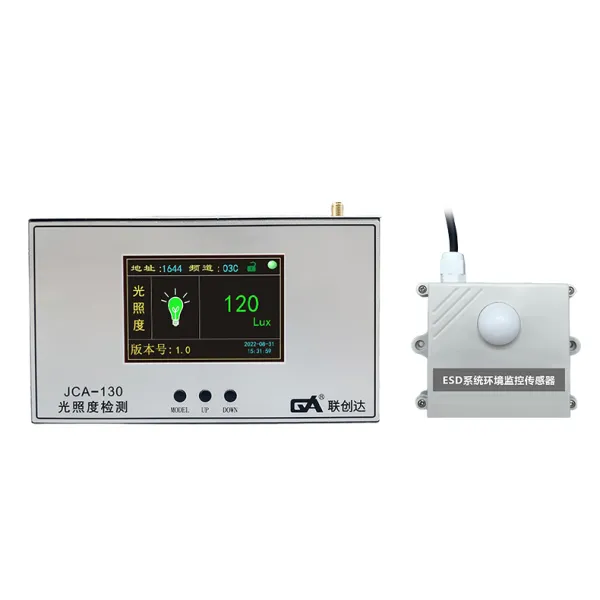

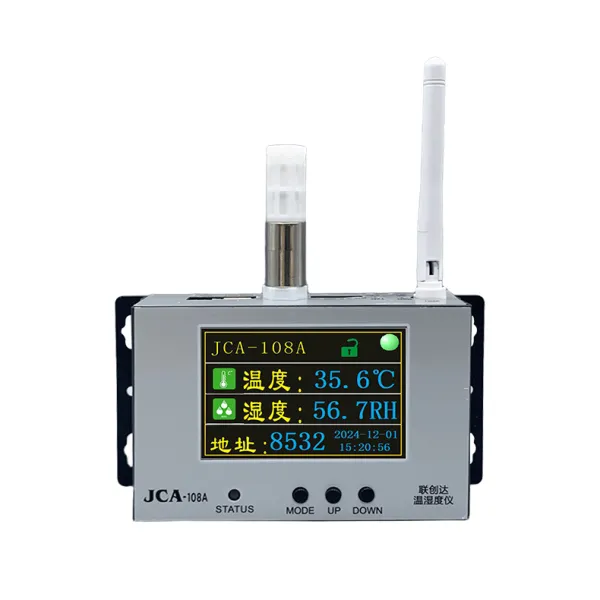
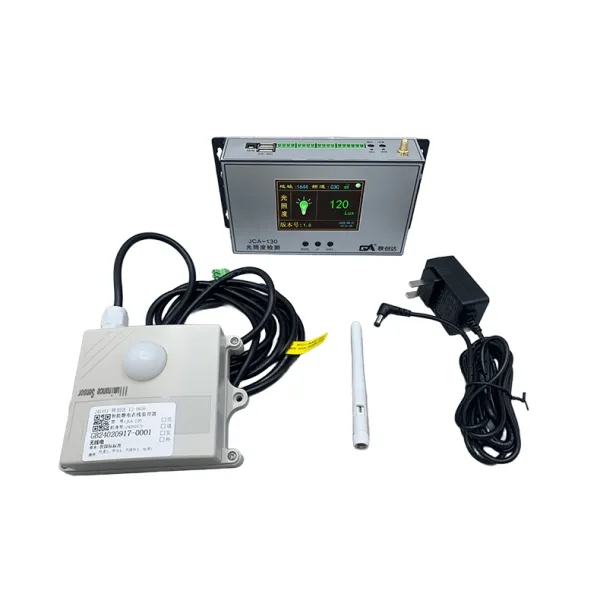


ESD Detector
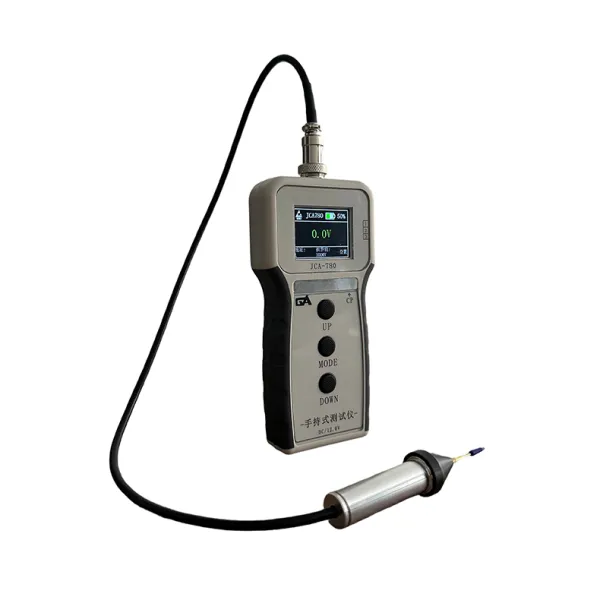
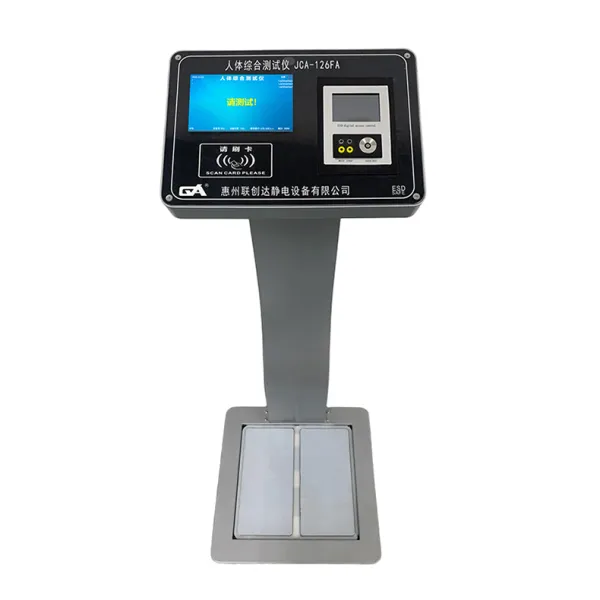
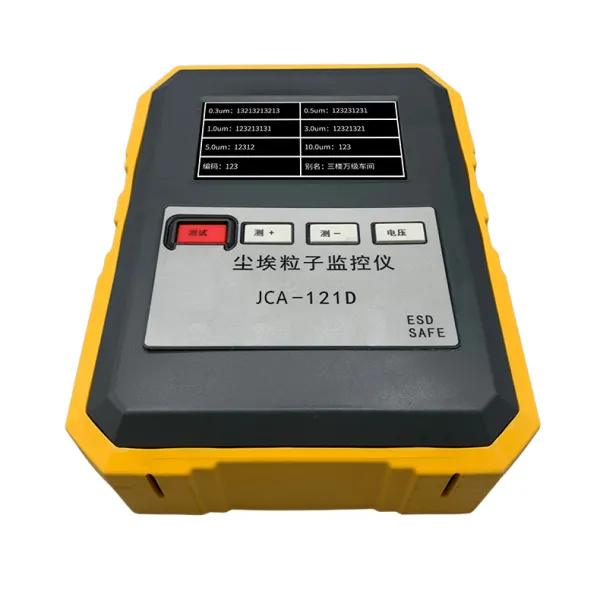
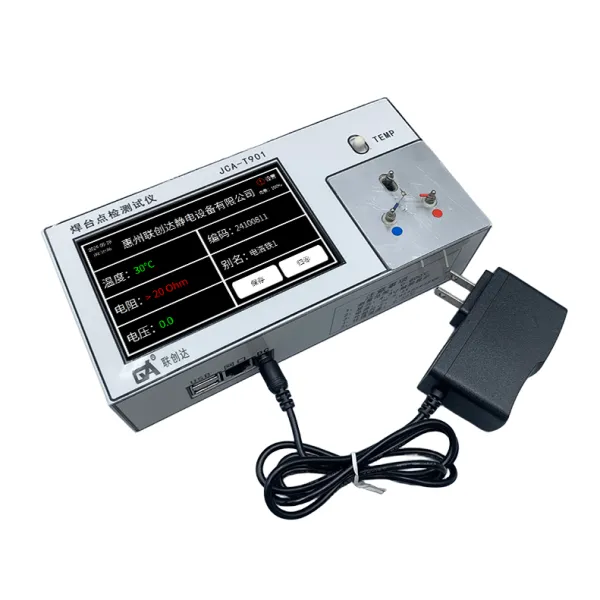
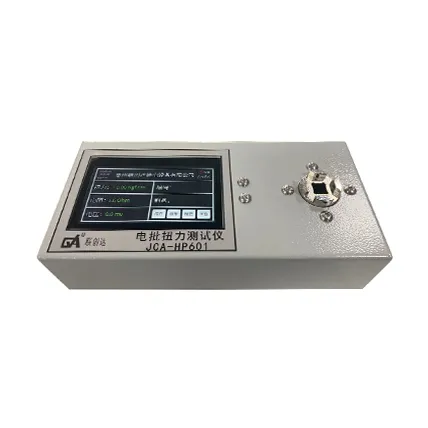
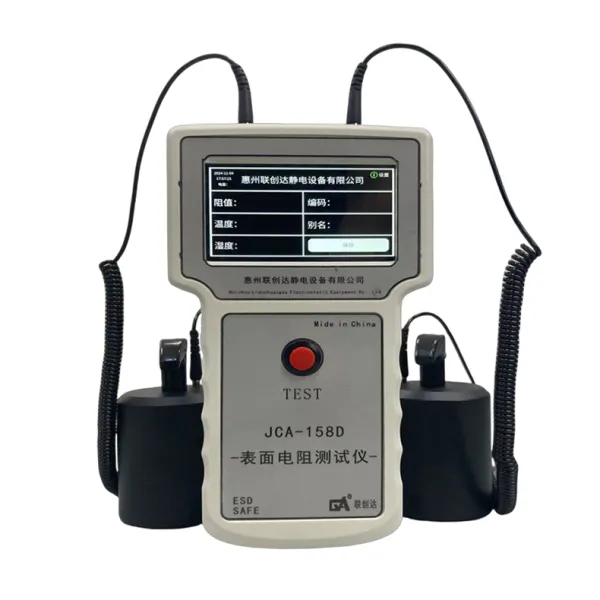
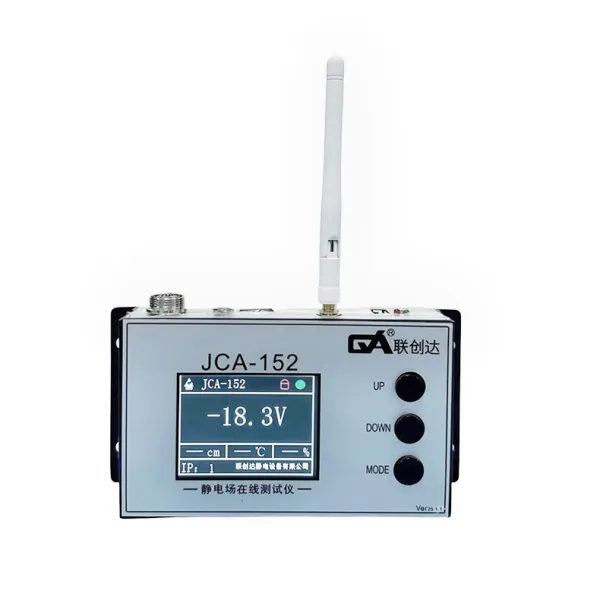
ESD Detector: An Overview An Electrostatic Discharge (ESD) detector is a specialized device designed to identify and measure electrostatic discharge events, which can cause significant damage to sensitive electronic components, integrated circuits, and other electrical systems. ESD occurs when a sudden flow of electricity between two electrically charged objects, often due to contact, short-circuiting, or dielectric breakdown, releases energy that can disrupt or destroy electronic equipment. ESD detectors play a crucial role in industries such as semiconductor manufacturing, electronics assembly, aerospace, and medical device production, where even minor electrostatic discharges can lead to costly failures. How an ESD Detector Works ESD detectors typically employ sensors to capture transient voltage spikes or current surges caused by electrostatic discharge. These sensors may use high-frequency antennas, field mills, or specialized probes to detect the electromagnetic pulses (EMPs) generated during an ESD event. Advanced detectors can differentiate between different types of discharges (e.g., human-body model, machine model, or charged-device model) and provide real-time alerts or data logging for analysis. Some models integrate with environmental monitoring systems to track humidity and temperature, as these factors influence static electricity buildup. Key Features and Applications 1. Real-Time Monitoring – Continuously scans for ESD events, providing instant feedback to prevent damage. 2. Localization Capability – Helps pinpoint the source of discharge for corrective actions. 3. Data Logging – Records discharge events for compliance with industry standards (e.g., ANSI/ESD S20.20, IEC 61340). 4. Portable and Fixed Solutions – Handheld detectors for spot checks or permanent installations in high-risk areas. ESD detectors are essential in cleanrooms, production lines, and laboratories where static-sensitive devices are handled. They also support quality control by ensuring that electrostatic discharge risks are minimized during manufacturing and assembly processes. Conclusion By detecting and mitigating ESD risks, these devices safeguard electronic components, improve product reliability, and reduce waste. As technology advances, ESD detectors are becoming more sophisticated, incorporating AI and IoT capabilities for predictive maintenance and automated static control. Their role in protecting sensitive electronics makes them indispensable in modern industrial and research environments.
Produkt
Kategorie:
Keine Suchergebnisse!
Nachrichten
Kategorie:
-
[Technical knowledge]Integration Solution for Wireless Temperature and Humidity M...
2025-11-12 15:59:49
Fall
Kategorie:
Keine Suchergebnisse!
Video
Kategorie:
Keine Suchergebnisse!
Herunterladen
Kategorie:
Keine Suchergebnisse!
Rekrutierung
Kategorie:
Keine Suchergebnisse!
Empfohlene Produkte
Keine Suchergebnisse!



 WhatsApp
 Telefon